1896
The Perils of Night Road Racing and Other Lunacies

The year 1896 is important to me in many ways. When I was writing “1923”, the date kept on recurring. Most importantly to me, it is the year of Théo Beeckman’s birth, the reluctant and unwitting hero of the story, whose solo attack on a Breton bridge, caught almost incidentally on film is the fulcrum around which the multiple narratives of the book intertwine. The Flandrian was born on November 1st, 1896.
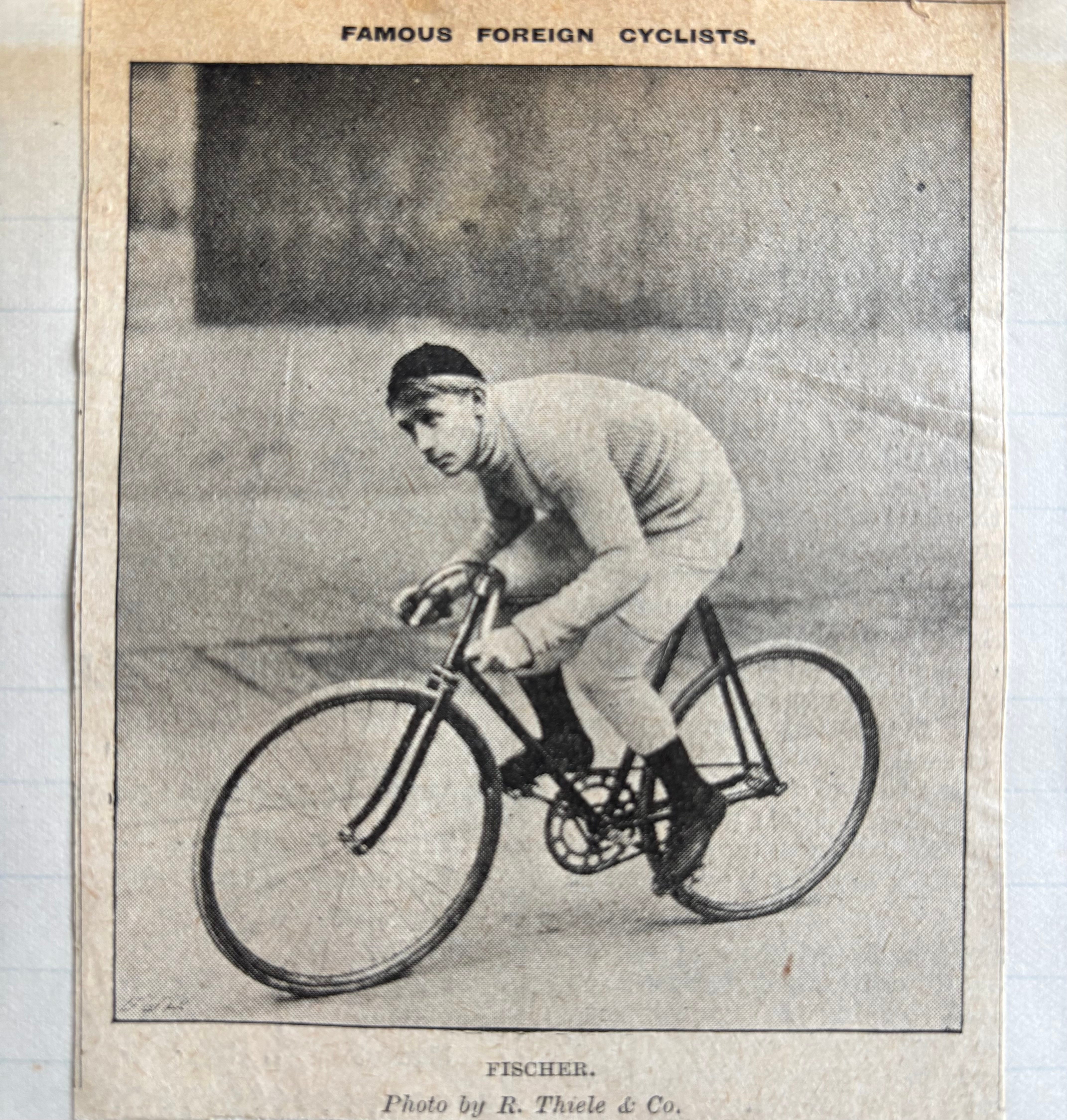
1896 was also the year in which Paris Roubaix was first raced. The furiously and wantonly mustachioed Bavarian Josef Fischer, who once lined up in a velodrome to race a horse and cart, won the first ever Enfer du Nord. So there’s that, too, which makes it a special year.
And finally, extreme cycling enthusiast, playwright and appalling alcoholic Alfred Jarry (about whom I talked a lot during ITV’s live coverage of this year’s stage to Jarry’s home town of Laval) enjoyed both his finest and most ignominious moment in 1896. That year saw the premier, followed by the immediate scandalised cancellation of his extremely avant garde and little understood play Ubu Roi; a play so bizarre and modern that it gave rise to the Dada movement, which had pretty much reached its end by that other bookending moment in time July 1923.
There is a late Victorian coach house at the top of a hill near me which was recently for sale. This being London, the glorified shed was on the market for a tidy £600,000. Not a day went by when I didn’t stroll past it, wondering if I could raise the funds to buy it. The reason being that it was built in 1896, and had a inscription underneath the dovecot at the top which proudly displayed the date. So, yeah. I like 1896.

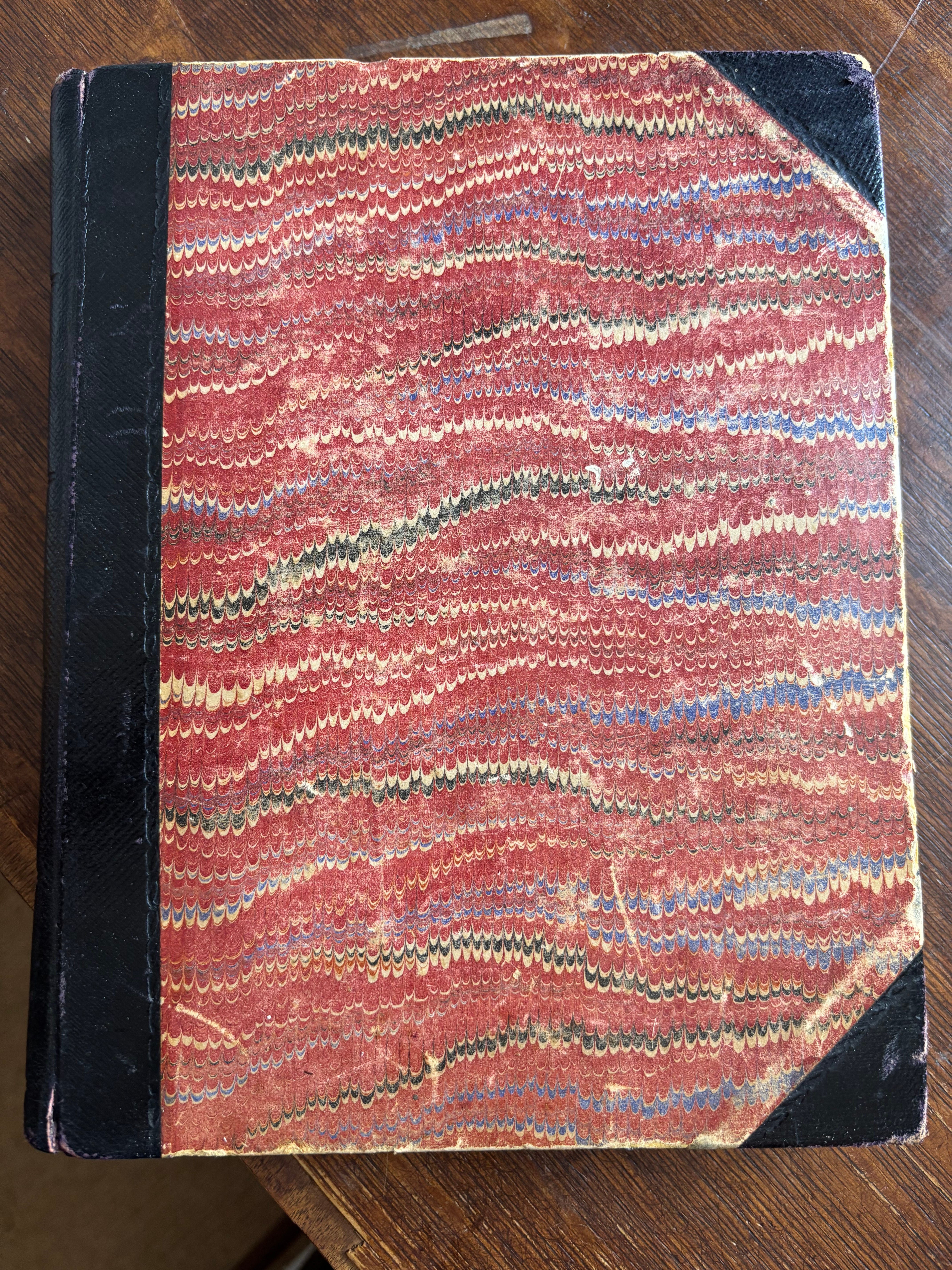
Imagine my delight then when I recently acquired from Ebay a Victorian scrap book stuffed with photographs and press clippings about cycling, all (and I mean all) from the year 1896. It arrived in the post, and I paused briefly before opening it, taking in the lovely marbled cover, very much intact after 129 years, but the right amount of battered to remind the reader that it predated, for instance, the end of the Ottoman Empire by at least a decade.
Then I opened it.
